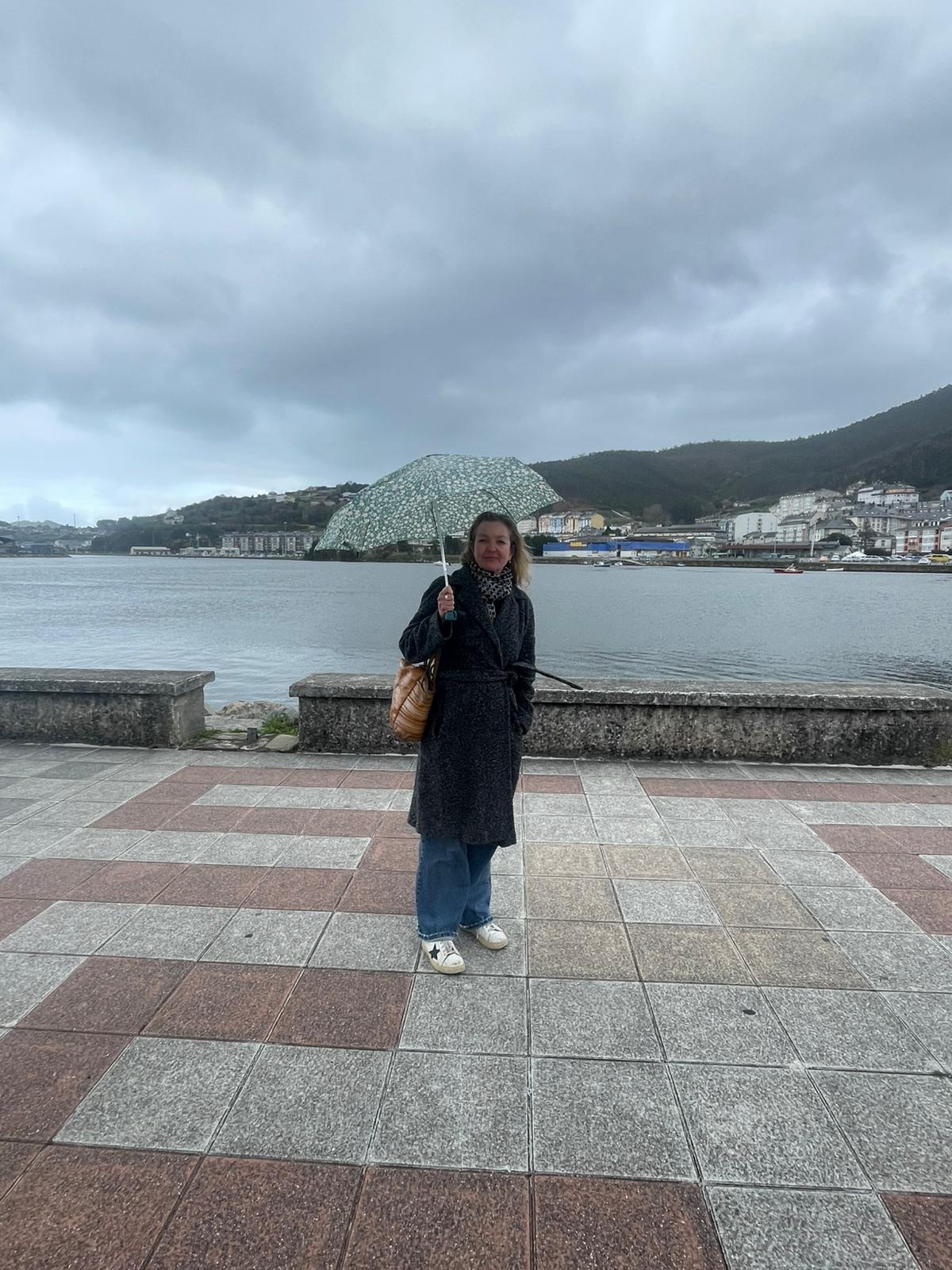
Thirty five years after studying Spanish at university and the same numbers of years being pretty sure that this corner of Spain with its Celtic connections and dense, green landscape was where I wanted to be, I toured around Galicia in August 2017. Life, and living in London happened, but Galicia was always nudging my conscience, despite never setting a foot in the region. Notes made on that first trip through Rioja, Pais Vasco, Asturias and Galicia reflect how much I loved the Costa da Morte (the coast of death). The landscape was like home, people were friendly, and despite being with two young children and a dog, I felt at ease and welcome. Pais Vasco, not so much!
That first trip was a month long and it rained for a day, maybe more, each week, however the temperature was mild and rain wasn’t a problem even when camping. When I now go to Estribela during the winter months, I’m braced for the damp. A 2-week trip in November brought rain every day and the soggy air is a feature of Galicians’ seasonal moans and groans.
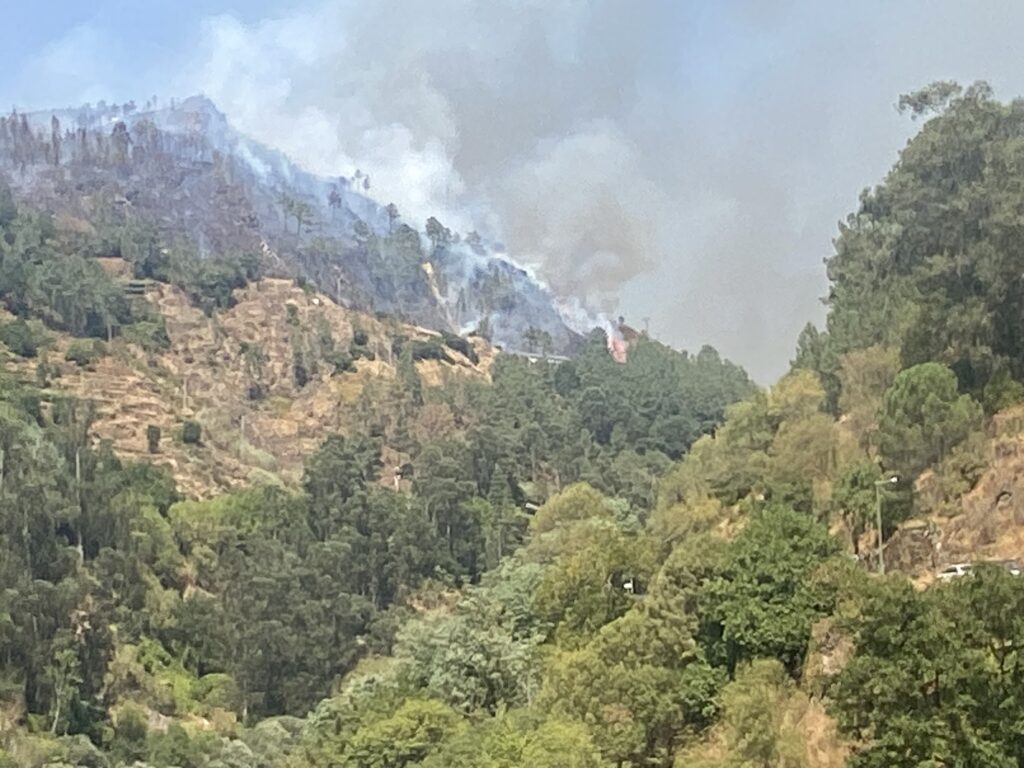
Extremes are evident. During the summer, the inland forest fires around the province of Ourense were immense. We drove there to celebrate a friend’s birthday, and watched as rivers of fire pour down the mountain side and teams of helicopters drop water, with slow results. I’m unsure of the details, but villages were evacuated as the fires descended. The smoke rising from the mountain top was thick, and days later we drove through dead landscapes with only blackened shapes remaining of any vegetation. A sad sight in a region celebrated for its verdant countryside.
This winter, as in the UK and across Europe, the rain has been persistent. The ground floor of the tiny tower resembled a swimming pool when we arrived in February. A friend who was travelling around Galicia and asked to stay there for a week, quickly changed his mind on arriving and checked into a nearby hotel. I try to be here every couple of months, which keeps the place ticking over, aired, and staves off accumulated damp. Has worked pretty well so far! But the house was closed up for three months to fit in with the youngest’s half-term break, and nothing was going to keep out the rain. A series of Atlantic storms have kept it coming for around 70% of the winter months, and so far this year, 2026, records show there has only been one rain-free day. The storm-induced pot holes in the road, could give their Hastings’ counterparts a run for their money. My neighbours’ houses also have leaks, and everyone is grumbling about the weather. When I was last here in November, I barely saw blue sky, and it seems that has continued for the last 3 months with cloud cover being constant. Right now it seems unlikely that March, often T-shirt weather, will deliver.
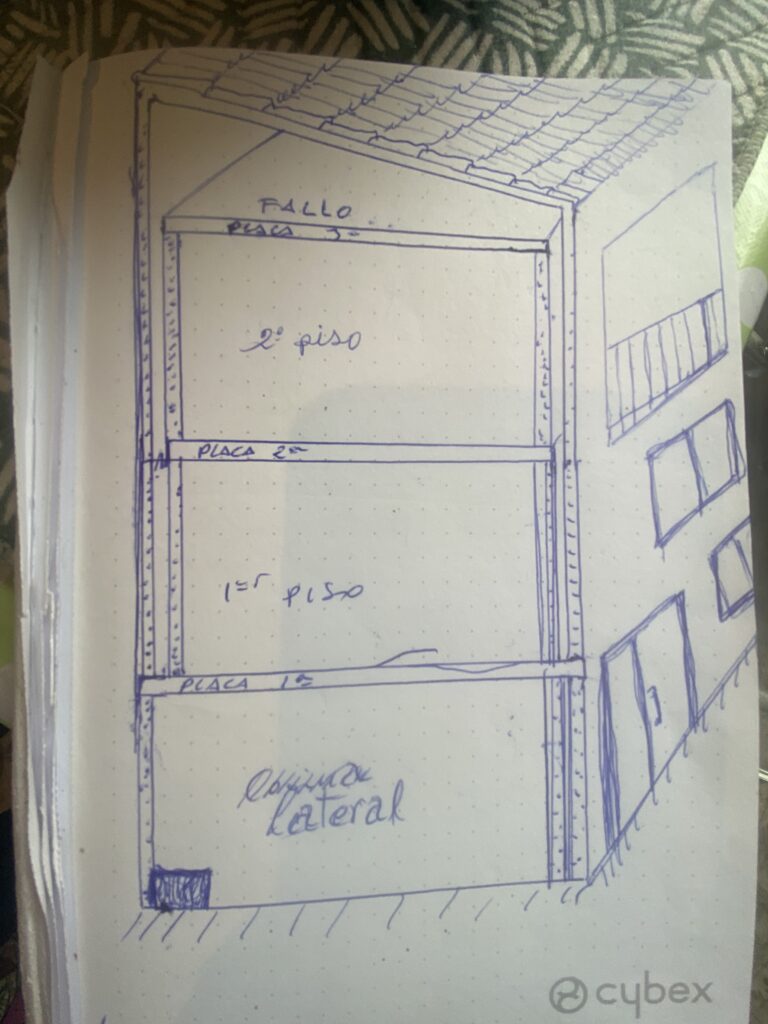
Juan explained to me the structure of the tiny tower. The top two floors were added after the ground floor, which was initially the entire residence. Bijoux. The second and third floor have been built on top of the roof of the first, with internal and external skin. This means when tiles blow off the roof, which they have in this stormy weather, the rain falls between the two walls, passing the top floors, and starts to drip through the ceiling of the kitchen and hallway. Now I understand. I thought the rain was coming through from the two vacant buildings attached to the north and western sides, but no, although they certainly contribute to the damp. In spring, when the weather starts to improve, we’ll look at upgrading the roof tiles. Last week, our flight from Gatwick was unable to land at A Coruna airport due to high wind, and redirected inland to Santiago de Compostela. That was a landing I wouldn’t want to repeat in a hurry, and I think it’ll be a while before Juan gets out his step ladder and tackles the roof. Roll on summer.


Really interesting and surprised the weather was so wet windy and the extreme opposite when you had the fires 🔥 But it’s obviously a lovely place to be and not a place with neighbours that drive you insane 😢 well done for doing this diary . I will share this with Kate as she will find it interesting , but I think we are too old to follow in your footsteps ! Or are we ?
Who knows what life will throw up for us two oldies ❤️🤔😊🙏🌿🕊️🐦⬛🦉xx
Never too old. It’ll soon be good enough for you both to have a holiday there!
Loved reading this x
Thanks, John :)x